
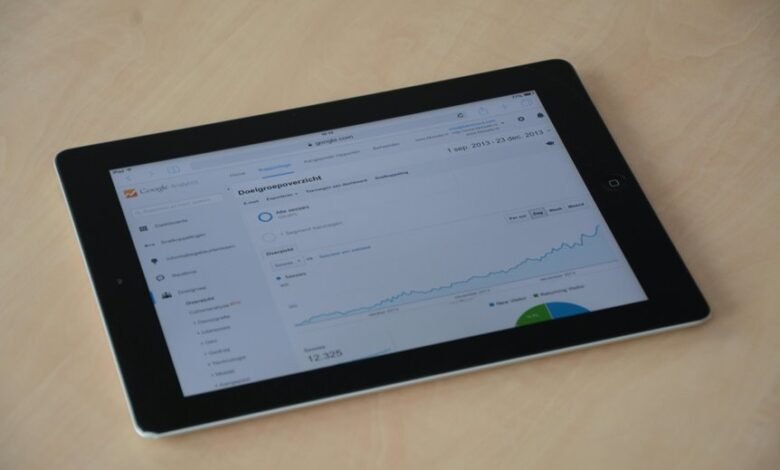
Smart IT Services Analytics (426530110) represents a pivotal advancement in the realm of IT operations. By employing sophisticated data visualization and predictive analytics, organizations can decode intricate performance metrics. This capability allows for trend anticipation and informed decision-making. However, the implementation of such analytics poses challenges that require careful consideration. Understanding these complexities is essential for leveraging the full potential of Smart IT Services Analytics in today’s dynamic business environment.
Understanding Smart IT Services 426530110 Analytics
Smart IT services analytics represents a critical intersection of technology and data analysis, enabling organizations to optimize their IT operations.
This approach leverages data visualization techniques to transform complex performance metrics into actionable insights.
Key Features That Drive Business Efficiency
Efficiency in business operations is fundamentally enhanced by the integration of key features within IT services analytics.
Data visualization facilitates the interpretation of complex data sets, enabling informed decision-making.
Predictive analytics empowers organizations to anticipate trends and optimize resource allocation, ultimately driving operational effectiveness.
Together, these features foster a responsive environment that supports innovation while maintaining the agility necessary for competitive advantage.
Transformative Benefits for Your Organization
The integration of advanced IT services analytics not only enhances operational efficiency but also delivers transformative benefits that can significantly impact an organization’s overall performance.
By enabling data driven decisions, organizations can optimize resource allocation and strategic initiatives.
Furthermore, enhanced collaboration across departments fosters a culture of innovation, ultimately leading to improved adaptability and responsiveness in a rapidly changing business landscape.
Implementing Smart IT Services Analytics: A Step-By-Step Guide
Implementing smart IT services analytics requires a structured approach to ensure successful integration within an organization.
This process begins with robust data integration, consolidating diverse data sources into a unified framework.
Subsequently, organizations should employ predictive modeling techniques to forecast trends and enhance decision-making.
Conclusion
In juxtaposing traditional IT management with Smart IT Services Analytics, the stark contrast in operational efficiency becomes evident. While conventional methods often yield reactive and fragmented insights, analytics facilitates proactive and holistic decision-making. This transformative shift empowers organizations to harness data, anticipate market trends, and foster innovation. Ultimately, the integration of analytics not only enhances adaptability but also positions businesses at the forefront of competitiveness, illustrating the profound impact of informed decision-making in a dynamic technological landscape.


